


What Is Futsal Football? Discover its rules, ball size, playing techniques, benefits, and essential equipment for indoor soccer.
Futsal football is a fast-paced indoor version of soccer played between two teams of five players on a smaller court. It focuses on ball control, quick passing, dribbling, teamwork, and accurate shooting. Unlike traditional outdoor football, futsal uses a smaller, low-bounce ball that helps players maintain better control in tight spaces.
Futsal is popular among players of different ages and skill levels. It is also an excellent way to develop football skills, improve coordination, and build confidence on the field. Whether you are a beginner, coach, professional player, or sports equipment buyer, understanding futsal can help you appreciate this exciting sport.
In this guide, we will explore what futsal football is, its history, rules, equipment, benefits, and the differences between futsal and traditional soccer.
What Is Futsal Football?
Futsal is a form of five-a-side football played indoors or on suitable hard courts. Each team has five players on the court, including one goalkeeper. The game is played with a special futsal Football designed to have less bounce than a regular soccer ball.
The word futsal comes from the Portuguese expression futebol de salão and the Spanish expression fútbol sala, both referring to indoor football.
The main objective of futsal is to score more goals than the opposing team. Players use quick movements, short passes, close ball control, and tactical teamwork to create scoring opportunities.
Futsal is governed internationally by FIFA and has its own official rules and equipment standards.
History and Origin of Futsal Football
Futsal originated in Uruguay in 1930. Juan Carlos Ceriani introduced the game as an indoor version of football that could be played in smaller spaces. It was developed to allow players to enjoy football even when outdoor facilities were unavailable.
The sport gradually became popular throughout South America, especially in Brazil. Brazilian players helped develop the technical and creative playing style associated with futsal today.
Over time, futsal spread across Europe, Asia, and other regions. FIFA later became responsible for international futsal competitions and regulations.
Today, futsal is played in schools, sports academies, professional clubs, and international tournaments. It has become an important part of football development worldwide.
Basic Rules of Futsal Football
Understanding the basic futsal rules makes it easier for beginners to enjoy the game. Although futsal shares similarities with traditional soccer, several rules make it different.
| Futsal Rule | Explanation |
|---|---|
| Number of Players | Five players per team, including one goalkeeper |
| Match Duration | Two halves of 20 minutes of playing time |
| Substitutions | Unlimited rolling substitutions |
| Ball | Special low-bounce futsal ball |
| Offside | No offside rule |
| Restarts | Kick-ins instead of throw-ins |
| Timeouts | Each team can request one 60-second timeout per half |
| Four-Second Rule | Certain restarts must be completed within four seconds |
| Fouls | Accumulated team fouls are counted during each half |
These rules encourage quick decision-making and continuous attacking and defending.
How Many Players Are in a Futsal Team?
A standard futsal team has five players on the court at one time. These include one goalkeeper and four outfield players.
Teams can also have substitute players. Substitutions are generally unlimited and can take place while the game is in progress, following the official substitution procedure.
The five-player format creates more opportunities for players to touch the ball and participate in different parts of the game.
Futsal Positions and Their Responsibilities
Each futsal player has a specific role, although players frequently change positions depending on the team’s strategy.
| Position | Main Responsibilities |
|---|---|
| Goalkeeper | Protects the goal and starts attacking moves |
| Defender (Fixo) | Supports defensive play and organizes the team |
| Winger (Ala) | Creates attacking opportunities from the sides |
| Pivot | Plays near the opponent’s goal and creates scoring chances |
Futsal players need good communication because the smaller playing area requires everyone to participate in both attacking and defensive situations.
Futsal Ball Size and Specifications
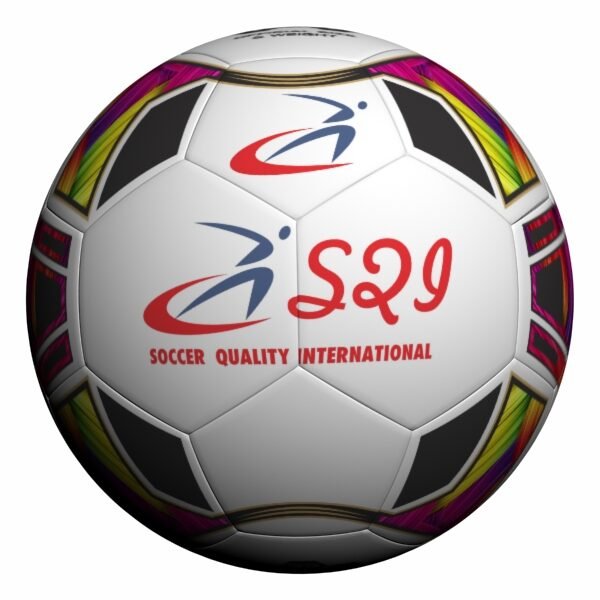
Choosing the correct futsal ball is essential for better performance. A futsal ball is different from a standard football because it is designed to bounce less and provide improved control on hard indoor surfaces.
A standard adult futsal match generally uses a size 4 ball.
| Futsal Ball Specification | Standard Requirement |
|---|---|
| Ball Size | Size 4 |
| Circumference | 62–64 cm |
| Weight | 400–440 grams |
| Material | Leather or other approved material |
| Bounce | Controlled, low bounce |
| Playing Surface | Indoor courts and suitable hard surfaces |
A quality futsal ball should have strong stitching or suitable construction, reliable bladder performance, consistent shape, and durable outer material.
For professional matches, the ball must also meet the applicable competition requirements.

Futsal vs Traditional Football: What Is the Difference?
Futsal and traditional football share the same basic objective, but their playing conditions, equipment, and rules are different.
| Feature | Futsal Football | Traditional Football |
|---|---|---|
| Players | 5 per team | 11 per team |
| Playing Area | Smaller indoor or hard court | Large grass or artificial turf field |
| Ball Size | Usually size 4 | Usually size 5 |
| Ball Bounce | Lower bounce | Regular bounce |
| Match Duration | 2 × 20 minutes | 2 × 45 minutes |
| Substitutions | Unlimited rolling substitutions | Competition-dependent |
| Offside | No offside | Offside rule applies |
| Restart | Kick-ins | Throw-ins |
| Playing Style | Quick passing and close control | More space and longer passing |
Both sports require fitness, teamwork, communication, and technical ability. However, futsal gives players more opportunities to practice ball control and quick decision-making in limited spaces.
Essential Equipment Needed to Play Futsal
Having the right equipment makes futsal safer and more enjoyable. Players and sports organizations should choose durable products that meet their playing requirements.
Here is the essential futsal equipment list:
1. Futsal Football
A proper futsal ball is the most important piece of equipment. It should have a low-bounce design, suitable weight, and a durable outer surface.
2. Indoor Football Shoes
Futsal shoes provide grip and stability on indoor courts. Their flat rubber soles help players move, turn, and stop quickly.
3. Sports Jersey and Shorts
Comfortable sportswear allows players to move freely during intense matches.
4. Shin Guards
Shin guards help protect players from accidental impacts and tackles.
5. Goalkeeper Gloves
Goalkeepers can use suitable gloves to improve grip and protect their hands.
6. Futsal Goals
Futsal goals are smaller than traditional football goals and are designed specifically for the sport.
Benefits of Playing Futsal Football
Futsal offers several physical and technical benefits. It is not only an entertaining sport but also a valuable training activity for developing football players.
1. Improves Ball Control
Players operate in smaller spaces, which encourages them to improve their first touch, dribbling, and close ball control.
2. Develops Passing Accuracy
Quick passing is an important part of futsal. Players learn to make accurate passes and understand their teammates’ movements.
3. Builds Speed and Agility
The fast pace of the game requires players to change direction, accelerate, and react quickly.
4. Improves Decision-Making
Players have limited time and space to make decisions. This helps develop tactical awareness and confidence.
5. Encourages Teamwork
Futsal requires strong communication and cooperation. Every player must contribute to both attacking and defensive play.
6. Supports Football Development
Many football players use futsal as a training activity to improve their technical skills and performance.
Why Is Futsal Important for Young Football Players?
Futsal is an excellent training option for children and young football players. Its smaller court and limited number of players allow everyone to become more involved in the game.
Young players get more opportunities to control the ball, pass accurately, dribble past opponents, and practice shooting.
Coaches can also use futsal training sessions to teach positioning, teamwork, and quick decision-making.
For football academies and training centers, using quality futsal footballs can help create consistent training sessions and improve the overall playing experience.
How to Choose the Best Futsal Ball
Selecting the right futsal ball is important for players, clubs, academies, and sports equipment distributors.
Before purchasing a futsal ball, consider the following factors:
| Buying Factor | What to Look For |
|---|---|
| Ball Size | Size 4 for standard adult futsal |
| Material | Durable PU or other approved materials |
| Bounce | Low-bounce construction |
| Weight | Approximately 400–440 grams |
| Bladder | Reliable butyl or suitable bladder |
| Construction | Strong stitching or hybrid construction |
| Performance | Consistent shape and ball control |
| Customization | Logo printing and private labeling options |
For professional clubs and sports academies, durability and consistent performance should be major purchasing considerations.
For distributors and sports brands, wholesale futsal balls and custom futsal balls can provide suitable options for different business requirements.
Buy Quality Futsal Balls from Soccer Quality
Are you looking for quality futsal balls for training, professional matches, sports academies, or wholesale distribution?
Soccer Quality specializes in manufacturing sports balls for businesses, sports brands, clubs, distributors, and football enthusiasts.
We focus on producing quality soccer balls and futsal balls with attention to material selection, construction, durability, and playing performance.
Our futsal ball manufacturing options can support different business and branding requirements.
Why Choose Soccer Quality?
- Quality Materials: Carefully selected materials for durability and performance.
- Custom Manufacturing: Options for customized sports ball designs.
- Private Labeling: Branding solutions for sports companies and distributors.
- Wholesale Orders: Suitable solutions for bulk buyers and businesses.
- Professional Construction: Attention to ball shape, finishing, and overall quality.
- Business Support: Solutions for sports brands, clubs, and international buyers.
Whether you need training futsal balls, custom-designed products, or wholesale sports balls, Soccer Quality can help you explore suitable manufacturing options.
Visit our website: https://www.soccer-quality.com/
Explore our futsal ball category: https://www.soccer-quality.com/product-category/sports-balls/futsal-ball/
Conclusion
Futsal football is an exciting indoor version of soccer that focuses on speed, teamwork, ball control, and technical ability. With five players per team, a smaller playing area, and a low-bounce size 4 ball, the sport offers a unique playing experience compared to traditional football.
It is an excellent activity for beginners, professional players, young athletes, and football academies. Choosing the right futsal equipment also plays an important role in creating a better playing experience.
For quality futsal balls, customized manufacturing, and wholesale sports ball solutions, Soccer Quality is a suitable partner to explore for your sports equipment requirements.