


Who developed soccer? Soccer, also known as association football, was not invented by one individual. Instead, it developed over several centuries through different ball games played around the world. However, modern soccer was officially established in England during the 19th century when football clubs and schools began creating common rules for the game. The formation of the Football Association (FA) in 1863 was a major milestone that transformed soccer into the organized sport we recognize today.
From its early origins to international competitions, soccer has become a global passion enjoyed by millions of players and fans. Today, professional clubs, schools, sports organizations, and amateur teams rely on quality soccer equipment to enjoy the game. Understanding its history helps explain how this simple ball game became a worldwide sporting phenomenon.
1. The Early Origins of Soccer
The history of soccer goes back thousands of years. Different civilizations played games involving kicking or moving a ball, although these activities were not exactly the same as modern soccer.
One of the earliest recorded examples comes from ancient China, where a game called Cuju was played during the Han Dynasty (206 BC–220 AD). Players kicked a leather ball through a small opening without using their hands. This game was often played for military training and entertainment.
Other ancient cultures also enjoyed ball games. Ancient Greece had a game called Episkyros, while Roman players participated in a game known as Harpastum. These activities involved teamwork and ball movement, but their rules and playing styles differed significantly from today’s football.
| Ancient Civilization | Traditional Game | Historical Significance |
|---|---|---|
| Ancient China | Cuju | Involved kicking a ball toward a target |
| Ancient Greece | Episkyros | Featured team-based ball play |
| Ancient Rome | Harpastum | Included physical competition and teamwork |
| Medieval Europe | Folk football | Community-based games with few standardized rules |
These early activities contributed to the broader history of ball games, but modern soccer emerged much later through organized football in Britain.
2. Who Developed Modern Soccer in England?
When people ask who developed soccer, England is central to the answer. During the Middle Ages and early modern period, communities across England played different forms of football. These games often involved large groups of people, and the rules varied from one town to another.
Some versions allowed players to carry the ball, while others focused mainly on kicking. Matches could take place across streets, fields, and open spaces. Because there were no standardized rules, disagreements frequently occurred between teams.
During the 19th century, English schools and universities started developing their own football regulations. This helped transform traditional folk football into a more organized sport.
Different schools followed different rules. Some preferred handling the ball, while others supported a kicking-based style. These differences made it difficult for teams from different institutions to compete against each other.
The need for a common set of rules eventually led to the establishment of modern association football.
3. The Formation of the Football Association in 1863
One of the most important moments in soccer history occurred on October 26, 1863, when representatives of several football clubs and organizations met at the Freemasons’ Tavern in London.
Their purpose was to establish common rules that different football teams could follow. These meetings resulted in the creation of the Football Association (FA), England’s governing body for association football.
The FA introduced standardized regulations that helped separate association football from rugby-style football.
Important developments included:
- Establishing common rules for football matches.
- Defining how players could handle the ball.
- Creating a more consistent playing structure.
- Encouraging clubs to follow the same regulations.
- Helping organize competitive football between different teams.
The original rules were revised over time, but the 1863 foundation of the FA remains one of the most significant events in the development of modern soccer.
4. Important People Behind the Development of Soccer
Although no single person invented soccer, several individuals played important roles in organizing and developing the modern game.
| Person | Contribution | Historical Importance |
|---|---|---|
| Ebenezer Cobb Morley | Helped establish the Football Association and drafted early football rules | Often recognized as a founding figure of modern association football |
| Charles W. Alcock | Promoted organized football and helped establish the FA Cup | Supported the growth of competitive football |
| J.C. Thring | Contributed to early football rule development at Cambridge | Helped encourage standardized playing regulations |
| William McGregor | Helped establish the Football League in 1888 | Contributed to organized professional competition |
Ebenezer Cobb Morley is particularly important because of his contribution to the Football Association. He believed football needed common regulations so clubs could compete fairly.
His work helped establish the foundation for a sport that would eventually spread across continents.
5. How the Cambridge Rules Helped Shape Soccer
Before the Football Association was established, different English schools and universities experimented with football regulations. One important example was the Cambridge Rules.
These rules were developed through discussions among students at Cambridge University during the 1840s and were revised in later years.
The Cambridge Rules helped promote a more organized, kicking-based version of football. They also influenced discussions surrounding the standardized rules adopted by the Football Association.
Although the Cambridge Rules were not identical to the final FA regulations, they contributed to the development of modern association football.
Their importance demonstrates that soccer developed through cooperation between schools, clubs, and sporting organizations rather than through the work of one inventor.
6. The Difference Between Soccer and Rugby
During the 19th century, football was played under several different rule systems. One major disagreement involved whether players should be allowed to carry the ball.
In 1863, the Football Association adopted rules that established a distinct form of football based primarily on kicking. Clubs that preferred handling the ball increasingly followed the rugby tradition.
This division eventually helped establish association football and rugby football as separate sports.
| Feature | Soccer | Rugby |
|---|---|---|
| Main Playing Method | Primarily kicking the ball | Carrying, passing, and kicking |
| Ball Shape | Round | Oval |
| Team Size | 11 players per team | Usually 15 players in rugby union |
| Scoring | Goals | Tries and additional scoring methods |
| Main Objective | Score goals against the opponent | Score tries and points |
This separation helped soccer establish its own identity and develop a consistent international playing style.
7. How Soccer Became an International Sport
After modern soccer rules were established in England, the sport gradually spread to other countries. British sailors, workers, merchants, and travelers introduced football to different parts of Europe, South America, and other regions.
During the late 19th century, football clubs and associations began appearing in countries such as Argentina, Brazil, Italy, Germany, and France.
International growth created the need for a governing organization that could coordinate competitions and establish rules worldwide.
In 1904, the Fédération Internationale de Football Association (FIFA) was founded in Paris. FIFA became the international governing body responsible for overseeing global football.
The first FIFA World Cup took place in Uruguay in 1930. This tournament marked another major milestone in the history of soccer.
Today, the World Cup is one of the most widely followed sporting competitions in the world.
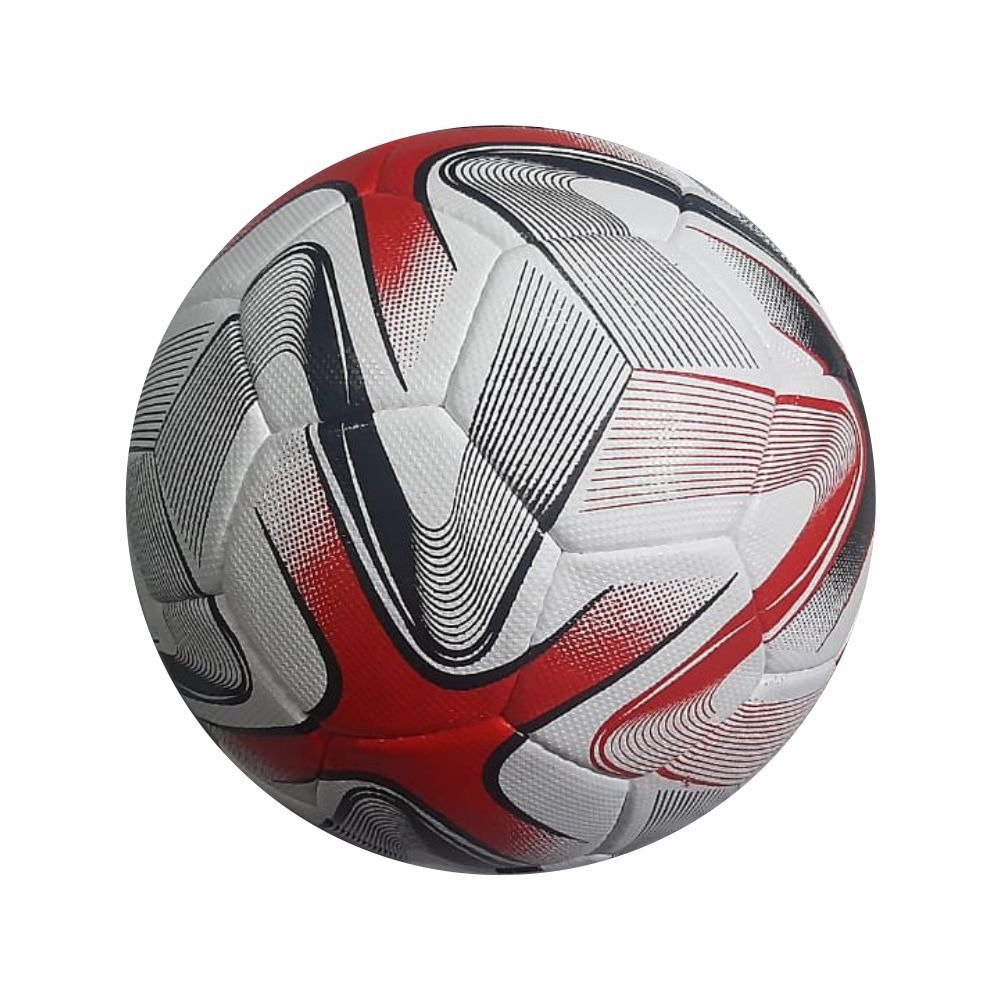

8. The Evolution of Soccer Equipment
Soccer has changed significantly since its early development. In the beginning, players used basic leather balls and simple clothing. Modern soccer now involves specialized equipment designed to improve performance, comfort, and safety.
The development of soccer equipment has also made the game more accessible to schools, training academies, professional clubs, and recreational teams.
| Equipment | Early Development | Modern Development |
|---|---|---|
| Soccer Balls | Leather-covered balls with basic construction | Durable synthetic materials and advanced panel designs |
| Soccer Shoes | Basic leather footwear | Specialized cleats for different playing surfaces |
| Jerseys | Ordinary clothing or basic team uniforms | Lightweight, breathable sports fabrics |
| Shin Guards | Limited protective equipment | Lightweight impact-resistant protection |
| Goalkeeper Gloves | Minimal hand protection | Designed grip, padding, and finger support |
A quality soccer ball is especially important because it directly affects passing, shooting, control, and overall gameplay.
Teams looking to improve their training experience can explore custom soccer balls for clubs, schools, tournaments, and promotional events. Choosing suitable soccer equipment helps create a more organized and enjoyable playing experience.
9. The Role of Soccer in Modern Sports Culture
Soccer has become much more than a competitive sport. It connects communities, encourages teamwork, promotes physical activity, and creates opportunities for players of different ages and backgrounds.
Professional leagues such as the English Premier League, La Liga, Bundesliga, and Serie A attract millions of supporters worldwide.
At the same time, grassroots football continues to play an important role in introducing children and beginners to the sport.
Some major benefits of soccer include:
- Physical Fitness: Soccer improves cardiovascular health, coordination, balance, and endurance.
- Teamwork: Players learn how to communicate and work together.
- Discipline: Regular training encourages commitment and responsibility.
- Social Connection: Football brings people together through clubs, schools, and community events.
- Competition: Organized matches help players develop confidence and sportsmanship.
From professional stadiums to local playgrounds, soccer continues to bring people together through a shared love of the game.
10. Why Quality Soccer Balls Matter Today
As soccer has grown, the importance of reliable sports equipment has increased. A well-made ball can make training sessions more consistent and improve the overall playing experience.
Whether a team participates in local competitions, school tournaments, or professional training, selecting the right ball is an important decision.
When choosing a soccer ball, consider the following factors:
| Buying Factor | Why It Matters |
|---|---|
| Material Quality | Helps determine durability and playing performance |
| Ball Size | Ensures suitability for the player’s age group |
| Stitching or Construction | Influences strength and ball consistency |
| Weight | Affects handling and kicking performance |
| Surface Compatibility | Helps match the ball to grass, turf, or indoor surfaces |
| Customization | Allows teams to include logos, colors, and branding |
Teams, sports academies, and event organizers can explore custom soccer balls to create personalized equipment for their activities. Businesses and clubs can also consider branded soccer balls for promotional campaigns, team gifts, and sporting events.
For buyers interested in finding suitable products, visiting Soccer Quality is a convenient way to explore soccer ball options and sports-related products.
Conclusion
The story of soccer is a journey that spans thousands of years, from ancient ball games to the modern international sport. Although different civilizations played early forms of football, modern soccer was developed through the combined efforts of English schools, universities, football clubs, and sporting organizations.
The establishment of the Football Association in 1863 was a defining moment because it introduced standardized rules and created the foundation for association football. Individuals such as Ebenezer Cobb Morley helped shape the game’s early organization, while FIFA later supported its international development.
Today, soccer continues to unite people across cultures and generations. Whether played professionally or recreationally, the sport depends on teamwork, passion, and quality equipment. Soccer Quality supports this sporting culture by providing options for teams and buyers looking for quality soccer products, including custom soccer balls for clubs, schools, tournaments, and special events.
Frequently Asked Questions About Soccer
1. Who developed soccer?
Modern soccer was developed in England during the 19th century through football clubs, schools, and sporting organizations.
2. Who invented modern soccer?
No single person invented modern soccer. Ebenezer Cobb Morley played an important role in establishing the Football Association in 1863.
3. When was modern soccer developed?
Modern soccer was officially organized in 1863 when the Football Association was established in England.
4. Where did soccer originally come from?
Soccer has historical connections to ancient ball games, including Cuju, which originated in ancient China.
5. What was soccer originally called?
Modern soccer was originally called association football. The word soccer developed from the term association.
6. Who established the first soccer rules?
The Football Association established standardized rules for modern association football in 1863.
7. When was FIFA founded?
FIFA was founded on May 21, 1904, in Paris, France.
8. When was the first FIFA World Cup played?
The first FIFA World Cup was held in Uruguay in 1930.
9. How did soccer become popular worldwide?
Soccer spread worldwide through British sailors, merchants, workers, and travelers, followed by the growth of international competitions.
10. What equipment is essential for playing soccer?
Essential soccer equipment includes a soccer ball, jerseys, cleats, shin guards, and goalkeeper gloves.