

How Many Minutes Are in a Soccer Game? Discover match duration, 90-minute halves, halftime, stoppage time, and extra-time rules.
Soccer is one of the most popular sports in the world, enjoyed by millions of fans, players, coaches, and teams. Whether you are watching an international tournament, playing for a local club, or organizing a soccer event, knowing the length of a match helps you understand the game better.
A common question among beginners and fans is: How many minutes are in a soccer game?
A standard professional soccer match lasts 90 minutes, divided into two 45-minute halves. However, the total time can be longer because of halftime breaks, stoppage time, and extra time in knockout competitions.
In this guide, we explain how soccer match minutes are calculated, what happens during halftime, how stoppage time works, and how long different types of soccer games can last.
How Many Minutes Are in a Standard Soccer Game?
A standard soccer game consists of 90 minutes of regular playing time. Both teams play two equal halves, with each half lasting 45 minutes.
Here is a simple breakdown:
| Match Period | Duration |
|---|---|
| First half | 45 minutes |
| Halftime break | Up to 15 minutes |
| Second half | 45 minutes |
| Total regular playing time | 90 minutes |
The referee starts the match clock at kickoff and signals the end of each half. However, the game does not always finish exactly when the clock reaches 45 or 90 minutes because additional time may be added for interruptions.
According to the International Football Association Board (IFAB), the official Laws of the Game establish two 45-minute halves for a standard match.
Why Does a Soccer Game Have Two 45-Minute Halves?
Soccer is traditionally divided into two halves to give players a scheduled opportunity to rest, receive coaching instructions, and prepare for the remaining match.
The halftime interval allows players to recover physically and mentally. Coaches can discuss tactics, make substitutions when permitted, and adjust their team’s strategy according to the first-half performance.
Playing two halves also creates a clear structure for referees, players, and spectators. Each team competes for 45 minutes before halftime and then returns for another 45 minutes.
How Long Is Halftime in Soccer?
A standard soccer halftime break can last up to 15 minutes. During this period, players leave the field, rest, drink water, and receive instructions from their coaches.
Halftime is not included in the 90 minutes of regular playing time. Therefore, if a match begins at 7:00 PM, it will not necessarily finish at 8:30 PM. The halftime interval and additional time can extend the overall duration.
The competition rules determine the halftime interval, and any change generally requires the referee’s permission.
What Is Stoppage Time in Soccer?
Stoppage time, also known as added time or injury time, is the additional playing time given at the end of each half to account for delays during the match.
For example, if a player gets injured and receives medical attention, the referee may add time to compensate for the interruption.
Common reasons for stoppage time include:
- Player injuries: Time lost while injured players receive medical attention or leave the field.
- Substitutions: Time used when teams replace players.
- Goal celebrations: Delays caused by players celebrating after scoring.
- Time-wasting: Deliberate delays before restarting the game.
- Yellow and red cards: Time taken for disciplinary decisions.
- VAR reviews: Delays caused by video assistant referee checks and reviews.
- Other interruptions: Delays caused by outside interference or problems restarting play.
The fourth official displays the minimum additional time near the end of each half. The referee can increase that time when further delays occur.
For example, if the referee announces five minutes of added time, the match will continue for at least those five additional minutes. The final whistle may come later if another significant interruption occurs.
How Many Minutes Is Extra Time in Soccer?
Extra time is different from stoppage time. It is used in certain knockout matches when the teams are tied after regular playing time and the competition rules require a winner.
A standard extra-time period consists of two 15-minute halves.
| Extra-Time Period | Duration |
|---|---|
| First extra-time half | 15 minutes |
| Interval | Usually a short break |
| Second extra-time half | 15 minutes |
| Total extra time | 30 minutes |
If the score remains tied after extra time, the competition may use a penalty shootout to decide the winner.
Not every soccer match includes extra time. Many league matches can finish as a draw after regular time, while knockout competitions follow their own rules.
How Long Does a Soccer Game Last With Extra Time and Penalties?
A soccer match with extra time can include 90 minutes of regular playing time and another 30 minutes of extra time.
This means the total scheduled playing time can reach 120 minutes, excluding stoppage time and breaks.
If the match remains tied, a penalty shootout may follow. Penalty shootouts do not have a fixed duration because the number of kicks depends on the result and competition rules.
Here is a general overview:
| Match Stage | Playing Time |
|---|---|
| Regular first half | 45 minutes |
| Regular second half | 45 minutes |
| Extra-time first half | 15 minutes |
| Extra-time second half | 15 minutes |
| Penalty shootout | No fixed duration |
A match that goes to extra time and penalties can therefore take considerably longer than a standard 90-minute game.
How Many Minutes Are in a Youth Soccer Game?
Youth soccer matches are often shorter than adult matches. The playing time depends on the players’ age groups, competition rules, and local football association guidelines.
Younger players usually play shorter matches to support their physical development and keep the game enjoyable.
The following table gives illustrative examples of youth match formats. Actual durations vary by league and governing body.
| Age Group | Example Duration |
|---|---|
| Under 7–8 | 10–20 minutes per half |
| Under 9–10 | 20–25 minutes per half |
| Under 11–12 | 20–30 minutes per half |
| Under 13–14 | 25–35 minutes per half |
| Under 15–16 | 25–40 minutes per half |
| Under 17–18 | 25–45 minutes per half |
Always check the rules of the specific youth competition before planning a match.
How Many Minutes Are in a Women’s Soccer Game?
A standard senior women’s soccer match follows the same basic duration as a standard men’s match.
It consists of:
- 45 minutes in the first half.
- A halftime interval of up to 15 minutes.
- 45 minutes in the second half.
- Stoppage time when required.
The standard playing time is therefore 90 minutes, with extra time and penalties possible in knockout competitions according to the tournament rules.
How Long Is a Futsal Game Compared to Soccer?
Futsal is a form of indoor football played on a smaller court, usually with five players per team, including the goalkeeper.
Unlike standard outdoor soccer, an official futsal match consists of two 20-minute halves of effective playing time. The clock is stopped when the ball is out of play or when play is interrupted, according to the rules.
| Feature | Outdoor Soccer | Futsal |
|---|---|---|
| Regular playing time | 90 minutes | 40 minutes |
| Match periods | Two halves | Two halves |
| Half duration | 45 minutes | 20 minutes |
| Playing environment | Outdoor field | Indoor court |
| Ball type | Soccer ball | Futsal ball |
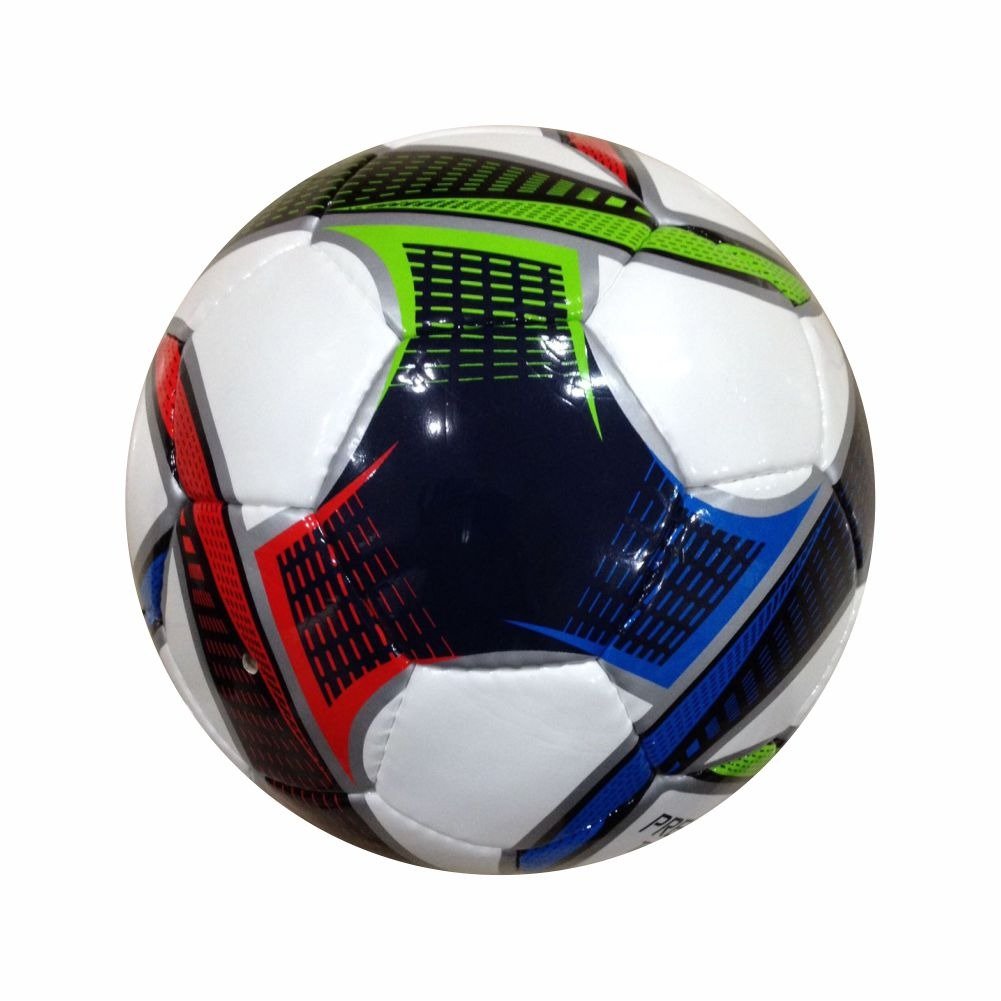
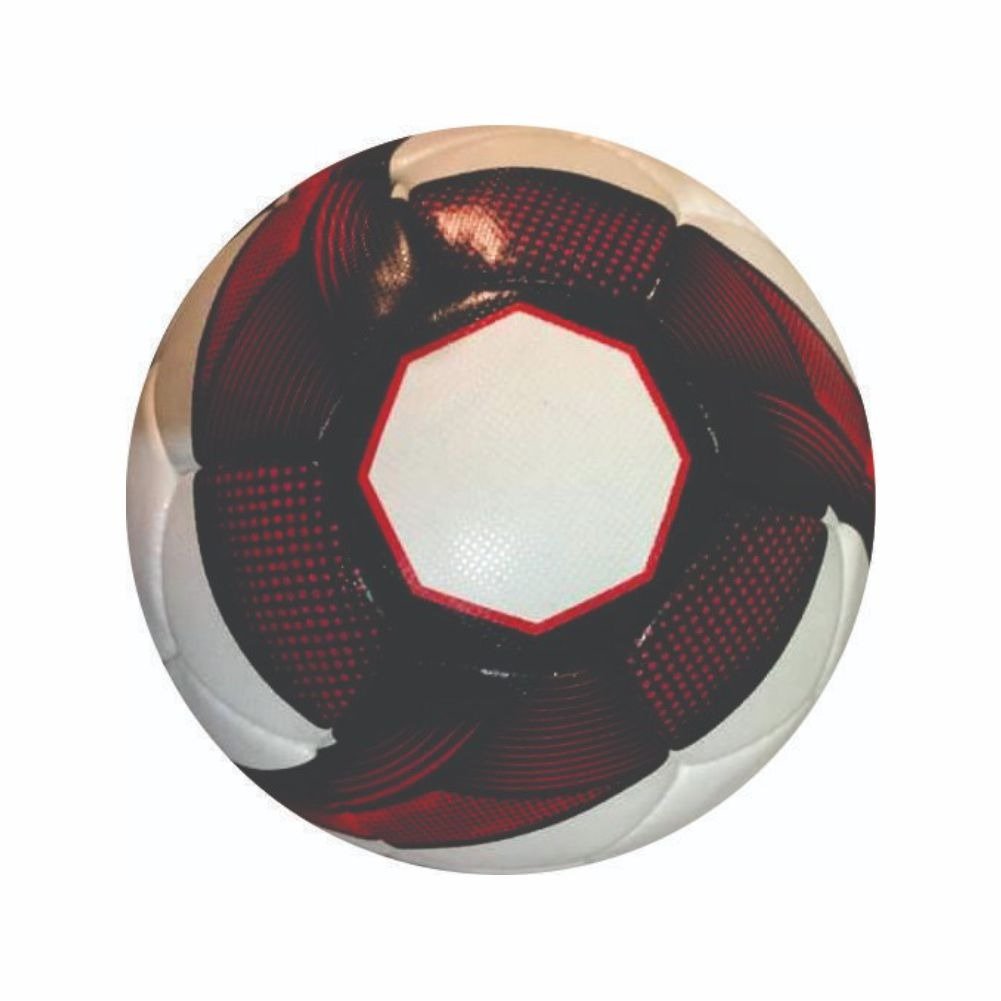
Futsal uses a specially designed low-bounce ball to support control and passing on indoor surfaces.
If your club, academy, or sports organization needs reliable equipment, choosing the correct ball for each format is important. Explore the sports equipment available through Soccer Quality for soccer and futsal requirements.
What Equipment Do Players Need for a 90-Minute Soccer Game?
Playing a full 90-minute match requires concentration, fitness, teamwork, and suitable equipment. The right gear helps players train comfortably and perform consistently throughout the game.
Important soccer equipment includes:
1. Quality Soccer Ball
A durable soccer ball with consistent shape, bounce, and flight characteristics is essential for passing, shooting, and match play. Teams should select a ball appropriate for their age group and competition requirements.
2. Soccer Jerseys and Teamwear
Comfortable teamwear helps players move freely throughout both halves. Clubs can also choose customized jerseys featuring their team colors, logos, and designs.
3. Soccer Shoes and Shin Guards
Proper footwear supports movement and traction on the playing surface, while shin guards help protect players during tackles and challenges.
4. Training Equipment
Cones, training balls, markers, and other accessories help coaches prepare players for match situations and improve their skills.
For clubs, academies, retailers, and sports brands looking for equipment manufacturing and customization, Soccer Quality offers custom soccer balls, sports products, and OEM manufacturing solutions.
Visit the Soccer Quality official website to explore available products and request a quote for wholesale or custom requirements.
Why Choose Soccer Quality for Custom Soccer Balls?
Choosing dependable soccer equipment is important for teams, clubs, academies, distributors, and sports businesses. Soccer Quality focuses on manufacturing sports balls and teamwear for customers seeking quality, customization, and wholesale supply.
Customers can explore options such as:
- Custom Soccer Balls: Designs featuring selected colors, logos, and branding.
- Wholesale Soccer Balls: Bulk supply solutions for clubs, retailers, and distributors.
- Futsal Balls: Indoor football balls designed for controlled, low-bounce play.
- OEM Manufacturing: Custom product development and private-label solutions.
- Teamwear: Sportswear options for teams and organizations.
Whether you are preparing for a local tournament or building your own sports brand, the right equipment can support your players and business goals.
Visit www.soccer-quality.com to learn more about custom soccer balls, wholesale sports equipment, and manufacturing services.
Final Thoughts
So, how many minutes are in a soccer game? A standard match lasts 90 minutes, with two 45-minute halves and a halftime interval of up to 15 minutes. Stoppage time can extend both halves, while extra time adds another 30 minutes in competitions that require a winner.
Understanding soccer match duration helps players, coaches, and fans follow the game more confidently. It also helps clubs and academies plan training sessions, tournaments, and equipment requirements.
For premium custom soccer balls, wholesale sports equipment, and OEM manufacturing solutions, visit Soccer Quality and explore products designed for teams, clubs, and sports businesses.